
Introduction
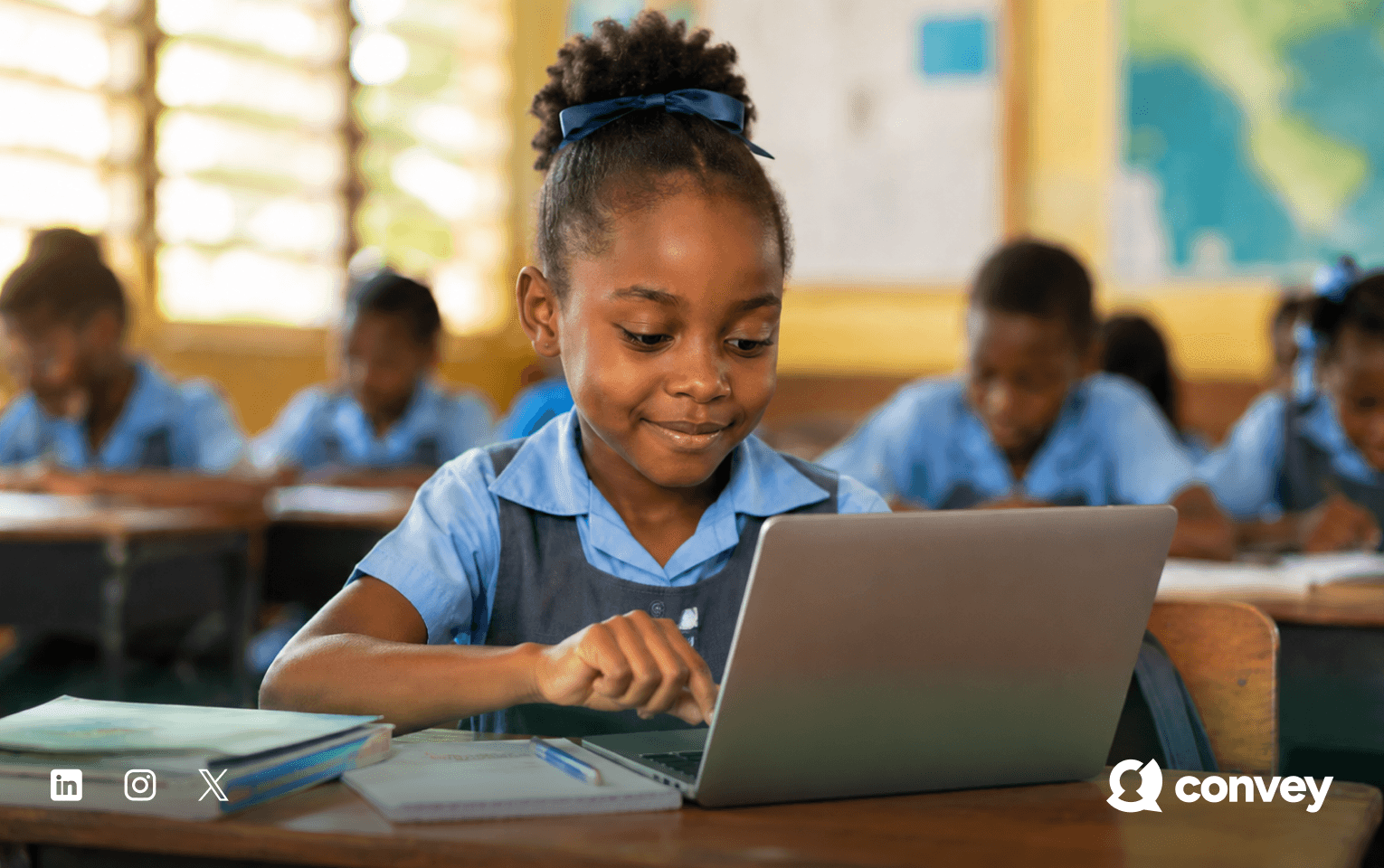
Technology is creating new opportunities for inclusive education in Jamaica. But providing devices and digital tools is only one part of the journey.
Across Jamaica, technology continues to change how we learn, communicate, and access information. For children with disabilities, these changes can create important new opportunities.
In June 2026, UNICEF Jamaica highlighted efforts to provide digital resources to support children with disabilities in western Jamaica. The initiative is helping students continue their education and access learning opportunities following the impact of Hurricane Melissa. UNICEF
It is another reminder of the important role technology can play in building a more inclusive education system. But technology alone is not enough.
Technology Should Help Remove Barriers
A tablet, website, mobile application, or online learning platform can provide access to information. However, the real value of technology comes from how thoughtfully it is designed and how well it responds to the needs of the people using it. For Deaf and Hard-of-Hearing learners, accessibility may mean providing information visually, incorporating Jamaican Sign Language, offering captions, or creating learning experiences that do not depend entirely on spoken communication. It also means listening to the people who will use these tools.
The Deaf community, Deaf educators, interpreters, students, parents, and advocacy organisations all have valuable experiences that should help shape the future of accessible learning.
When we combine technology with collaboration, understanding, and inclusive design, we can create better learning experiences for everyone.
Starting Small Can Still Create Meaningful Change
Creating a more inclusive Jamaica will require action from government, schools, businesses, communities, families, and individuals. But not every action has to start with a large programme or major technology project. Sometimes, change can begin with one person deciding to learn something new.
- Learning the Jamaican Sign Language alphabet.
- Practising how to fingerspell your name.
- Helping a child discover a new way to communicate.
- Encouraging a school or workplace to think more seriously about communication access.
These may seem like small actions, but they can help create greater awareness and understanding between Deaf, Hard-of-Hearing, and hearing communities.
Where Convey Fits Into the Journey
At Convey, we believe technology can help make learning Jamaican Sign Language more accessible. Our goal is not to replace the Deaf community, Deaf educators, interpreters, or formal Jamaican Sign Language instruction. Instead, Convey provides an accessible starting point for people who want to begin learning. Through our digital learning platform and JSL Fingerspelling Workbook, we are creating self-paced resources that help families, educators, professionals, students, and allies take their first steps into learning Jamaican Sign Language.
As we continue to grow, we are also exploring new ways technology can support learning while remaining respectful of the language, culture, and experiences of Jamaica's Deaf community. The future of inclusive education will require innovation.
But the best innovation will always begin by understanding people.
Start Your JSL Learning Journey
You do not have to wait for the future to take your first step towards greater inclusion. Visit conveytoolkit.com to practise the Jamaican Sign Language alphabet, learn numbers, and explore fingerspelling. You can also order the JSL Fingerspelling Workbook and continue learning through simple, engaging, self-paced activities. One sign. One word. One learner at a time.
Together, we can help make communication and learning more accessible.